Search terms like dark web legit cc vendors are traps—here’s what really happens
Search phrases such as dark web legit cc vendors, cc shop sites, and legitimate cc shops appear to promise a shortcut to stolen payment data, but they function primarily as lures. Bad actors use these queries to draw in unwary buyers, who quickly discover that there are no “safe” or “reputable” corners of an illegal market. In reality, attempting to acquire stolen cards exposes buyers to cascading legal, financial, and personal risks. There is no such thing as legit sites to buy cc because the activity itself is illegal and vigorously enforced worldwide.
Behind the glossy marketing of supposed authentic cc shops lies a perpetually shifting ecosystem of scams. Operators mimic customer support, boast fabricated “valid rate” statistics, and flaunt scripted testimonials. Payment is often demanded in irreversible cryptocurrencies, then followed by ghosting or delivery of dead data that fails within minutes. The fiction of best ccv buying websites persists because it preys on desperation: newcomers believe they’re just one vetted vendor away from profit. In practice, most buyers lose funds repeatedly, discover their devices are infected with malware, and find themselves doxxed or extorted after sharing contact handles or wallet addresses.
Legal exposure compounds the financial risk. Purchasing or trafficking in stolen payment credentials is a crime that attracts transnational investigations involving bank fraud teams, card networks, and law enforcement. Undercover operations, informants, and compromised marketplaces mean that many interactions are surveilled or logged. Even browsing for the “best sites to buy ccs” in forums or encrypted chats leaves digital breadcrumbs: wallet transactions, account reuse, device fingerprints, and reused OPSEC mistakes create a forensic trail. The upshot is simple: the notion of legitimate cc shops is a myth used to mask fraud, and participation invites prosecution and long-term consequences.
Another overlooked danger is identity risk. Prospective buyers routinely volunteer phone numbers for “SMS verification,” send copies of IDs to pass “seller KYC,” or install shady messenger plugins. These practices hand over sensitive data to criminals who trade, sell, or weaponize it later. In other words, many would-be buyers become victims themselves. The same markets hawking stolen cards are highly effective at stealing from the very people searching for dark web legit cc vendors, creating a cycle of loss that rarely ends well.
Inside the fraud economy: how “cc shop sites” con buyers, and how investigators shut them down
The promise of cc shop sites typically hinges on three pillars: artificial reputation, manufactured scarcity, and opaque escrow. First, reputation is gamed with fake reviews, bot-boosted forum posts, and recycled screenshots of “fresh dumps.” Second, scarcity narratives—“limited premium bins,” “exclusive international ranges,” or “private base drops”—pressure buyers into hasty payments. Third, escrow is often controlled by the marketplace itself, ensuring disputes never go in the buyer’s favor. Even when data is delivered, it’s commonly stale or over-sold to multiple purchasers, ensuring rapid decline. The recurring pitch of authentic cc shops rides on a churn of new domains, clones, and rebrands that appear after each collapse or takedown.
Technical sleights-of-hand deepen the trap. Sellers distribute “checkers” or “autobuyers” laced with info-stealers, pivoting from swindling to full-blown compromise of a buyer’s system. “Validation guarantees” rely on doctored checker logs that can’t be independently verified. Reputation-stacking often leverages collusive wallets and circular transactions designed to mimic successful deals. On the surface, this ecosystem looks like a marketplace; in substance, it’s an asymmetric confidence game where the operator always wins and the participant always assumes legal exposure. The persistent search for best ccv buying websites feeds these dynamics by funneling fresh targets into well-practiced funnels.
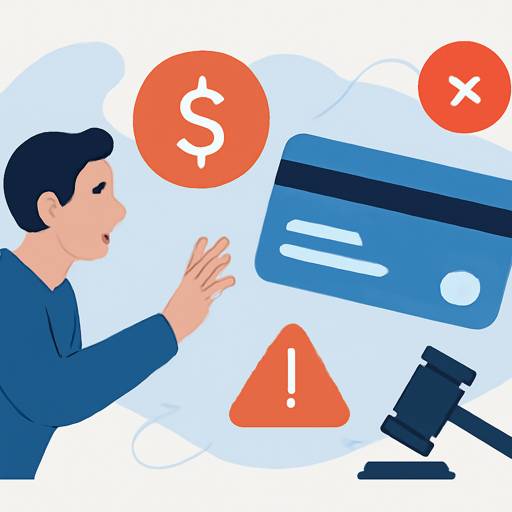
Real-world crackdowns show how precarious this economy is for participants. Coordinated operations have dismantled prolific carding communities, seized servers, and identified users across jurisdictions. Cases against sprawling organizations illustrate that “trusted” vendors are frequently informants, sting accounts, or leaky operations unwittingly logging everything. After high-profile closures and leaks at notorious shops, downstream buyers faced wallet tracing, seized communications, and data cross-matches tying forum aliases to real identities. The belief that a carefully chosen “legit sites to buy cc” list can secure outcomes collapses under the reality that these enterprises are prime investigative targets.
Even apart from takedowns, reputational implosions are common. When large marketplaces are hacked from within, user databases—messages, order histories, and cryptocurrency addresses—often surface. That fallout sweeps up both sellers and buyers, enabling attribution through blockchain analytics and conventional financial investigations. The lesson is consistent: every attempt to locate best sites to buy ccs or identify “vetted” vendors increases the chance of landing in a honeypot, feeding an exit scam, or becoming a data point in an active investigation. The ecosystem isn’t designed to serve buyers; it’s designed to keep them paying until something bigger breaks.
Do the right thing: legal defenses against carding, and how consumers and businesses can harden payments
Instead of chasing the mirage of legitimate cc shops, focus on legal, constructive defenses that reduce fraud risk and strengthen payment security. For consumers, the essentials are straightforward yet powerful. Enable transaction alerts on cards and banking apps to spot suspicious activity in real time. Use virtual card numbers or tokenized wallets (such as mobile pay solutions) that substitute dynamic tokens for primary account numbers, shrinking exposure in data breaches. Prefer credit over debit for online purchases because credit benefits from stronger dispute protections. Monitor statements frequently and set up account notifications for new payees, international charges, and card-not-present transactions.
Strong authentication and hygiene matter. Deploy a password manager and assign unique, long credentials to each financial account. Add phishing-resistant multi-factor authentication wherever offered, especially for email, banking, and cloud storage. Beware of unsolicited “verification” requests and never install untrusted plugins or checkers; these are common paths to account takeovers. If compromise is suspected, lock the card immediately, change passwords, and review recent logins. Consumers in many regions enjoy statutory protections—such as the Fair Credit Billing Act in the United States—that limit liability for unauthorized charges when disputes are initiated promptly; acting quickly is crucial.
Merchants and fintech teams can raise the bar significantly with layered controls. Compliance with PCI DSS is a baseline, but effective programs go further: encrypt data at rest and in transit, segment networks, and apply least-privilege access. Implement 3-D Secure 2, risk-based authentication, and dynamic friction to challenge high-risk transactions without harming conversion. Combine AVS/CVV checks with velocity rules, device fingerprinting, behavioral biometrics, and machine-learning models trained on your own fraud patterns. Align with regional mandates like PSD2 SCA in the EU to reduce liability and enhance authorization rates, and engage in regular tabletop exercises to refine incident response.
When fraud occurs, move fast. Preserve logs, involve your acquiring bank, and submit reports to appropriate authorities. Consumers and businesses can file complaints with official channels that coordinate cross-border investigations. Reissuing cards, rotating keys, and invalidating exposed tokens help contain damage. Proactive breach detection, third-party risk assessments, and continuous monitoring reduce the window of exposure. Most importantly, never be tempted by promises of dark web legit cc vendors or self-styled authentic cc shops; these myths worsen outcomes. Building resilient payment systems, educating users, and engaging with legitimate antifraud partners produce real, lasting gains—without the legal and ethical baggage that follows anyone lured by the idea of “legit sites to buy cc.”