As more families choose to care for aging parents, recovering patients, and loved ones with disabilities at home, private caregiver jobs are becoming one of the most stable and personally rewarding opportunities in the care industry. These roles offer a unique blend of flexibility, human connection, and purpose. For those who are patient, dependable, and genuinely committed to helping others, private caregiving can be much more than a job — it can become a long-term career path.
Private caregiving differs from working in a hospital or nursing facility primarily because the work happens inside a client’s home. That setting creates a more intimate and personalized environment, but it also requires a high level of trust and professionalism. The responsibilities go far beyond basic assistance and often touch nearly every part of a client’s day.
What Private Caregiver Jobs Really Involve
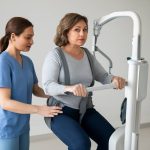
In most cases, private caregiver jobs center on helping clients with activities of daily living, often called ADLs. These include bathing, dressing, grooming, eating, and toileting. Some clients need help with mobility, transferring from bed to wheelchair, or walking safely through the home. Others may need reminders to take medication, prepare meals, or follow through with doctor-recommended routines. Because every client is different, a caregiver’s daily responsibilities can vary significantly from one assignment to the next.
A typical day might begin with getting a client out of bed and ready for the morning. The caregiver may prepare breakfast, check that medications are taken on time, and assist with light exercises or stretching. Later, the caregiver might handle laundry, prepare lunch, and provide transportation to a medical appointment or social visit. At the end of a shift, notes might be shared with family members about the client’s mood, appetite, and overall condition. That combination of practical support and ongoing observation helps families feel confident that their loved one is safe.
Some private caregiving roles are more medically oriented. A caregiver supporting a client with Parkinson’s disease may focus on fall prevention, mobility support, and monitoring changes in symptoms. A caregiver assisting someone recovering from a stroke might help with prescribed exercises, medication schedules, and speech practice. Other roles are mostly social, such as providing companionship to an older adult who lives alone and needs regular interaction to avoid loneliness and isolation. In every scenario, the caregiver’s consistency and compassion are just as important as any specific medical task.
Private caregivers may be hired directly by families or through an agency or online platform. When hired directly, caregivers often have more control over their schedule and pay, but they may also need to manage contracts, taxes, and boundaries on their own. Working through an agency or a specialized job platform can offer more structure, background support, and a clearer matching process. Both paths are valid, and the right choice usually depends on the caregiver’s experience level, independence, and personal career goals.
How to Find Private Caregiver Jobs That Fit Your Schedule and Experience
Before starting a job search, it helps to define exactly what you want from a private caregiving role. Think about how many hours you can commit each week, how far you are willing to travel, and whether you prefer live-in care, part-time shifts, or full-time employment. Consider the type of client you feel most comfortable supporting, such as seniors, individuals with disabilities, or adults recovering from surgery. Being clear about these factors can help you avoid roles that are not a good fit and focus on opportunities that match your life.
Online hiring platforms have made it easier than ever to find private caregiver jobs that align with your experience and availability. Instead of sorting through general job boards, you can use a care-focused platform to browse openings in your area and filter for schedule, required certifications, and client needs. This is especially useful for caregivers who want to move quickly from searching to interviewing without spending hours on unfiltered listings.
Local referrals also remain a powerful tool. Tell friends, neighbors, former coworkers, and members of your community that you are available for private caregiving. Families often prefer hiring someone who comes recommended by a trusted source. Community centers, places of worship, senior service organizations, and support groups can also be great places to learn about families looking for help.
When reviewing job listings, pay close attention to the details. A strong posting should explain the client’s general condition, the expected duties, the schedule, and whether certifications such as CPR or CNA are required. If the description is unclear, ask questions before applying. For example, a caregiver named Danielle used an online platform to find a client who needed morning assistance and companionship three days a week. Because the posting clearly described the schedule and duties, she was able to choose a role that worked alongside her evening classes. That kind of clarity benefits both caregivers and families.
The interview is also an important step. Use it to ask about the client’s daily routine, mobility challenges, dietary restrictions, and communication preferences. Find out whether there is backup support, who else is involved in care decisions, and how emergencies are handled. Trust your instincts, and do not be afraid to turn down a position if the environment feels unsafe or the expectations seem unclear. A good match creates a healthier, more stable working relationship for everyone.
Skills and Qualifications That Help Private Caregivers Succeed
Private caregiving does not always require a formal degree, but certain personal qualities are essential. Families want caregivers who are patient, empathetic, dependable, and clear communicators. Showing up on time, following instructions carefully, and treating the client with dignity are non-negotiable. Building trust takes time, and it grows through consistent professional behavior and genuine compassion.
Many private caregiver jobs prefer or require certifications such as Certified Nursing Assistant (CNA), Home Health Aide (HHA), or CPR and first aid training. Even when a role does not require a license, having these credentials can make your application stand out. A valid driver’s license and reliable transportation are also highly valuable, especially for positions that involve driving clients to appointments or running errands. Experience with specific conditions — such as dementia, diabetes, stroke recovery, or mobility limitations — is another strong advantage.
Practical problem-solving skills matter just as much as formal qualifications. A client may refuse a meal, become confused in the evening, or experience a sudden change in health. Caregivers must know how to stay calm, communicate clearly, and respond appropriately. It is also important to respect boundaries in a private home. Small actions like knocking before entering a room, asking before rearranging personal items, and keeping client information confidential help build a respectful and professional relationship.
Self-care cannot be overlooked. Private caregiving can be physically and emotionally demanding, and burnout is common among caregivers who neglect their own health. Set realistic schedules, take breaks, and do not feel guilty about needing time off. Families benefit most from caregivers who are rested, present, and attentive, and that is only possible when you protect your own well-being.
Keeping simple daily notes is another best practice. Recording meals, medications, mood changes, and any unusual symptoms creates a clear record that can be shared with family members or healthcare providers. It shows professionalism and helps prevent misunderstandings. Finally, consider continuing education. Online courses and local workshops on fall prevention, memory care, nutrition, or first aid can expand your knowledge and open the door to more specialized private caregiver jobs. The most successful caregivers are always learning, adapting, and treating each client as a whole person with unique needs and preferences.